Voyager 1 Reaches One Light-Day From Earth — Still Carrying a 12-Inch Record After 49 Years
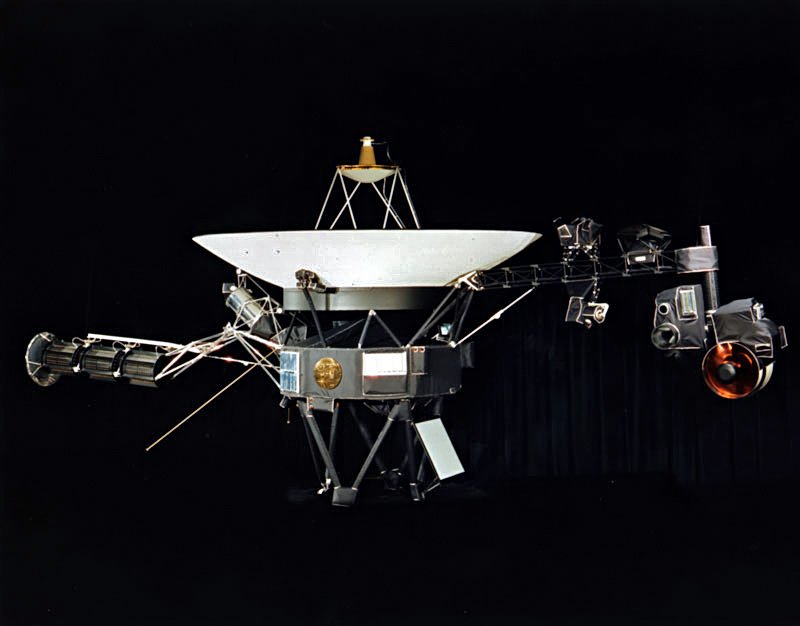
At 5:16:07 a.m. EST on November 18, 2026, NASA’s Voyager 1 spacecraft officially became the first human-made object to reach one light-day from Earth — roughly 16.1 billion miles (25.9 billion kilometers) away, more than 49 years after launching on September 5, 1977.
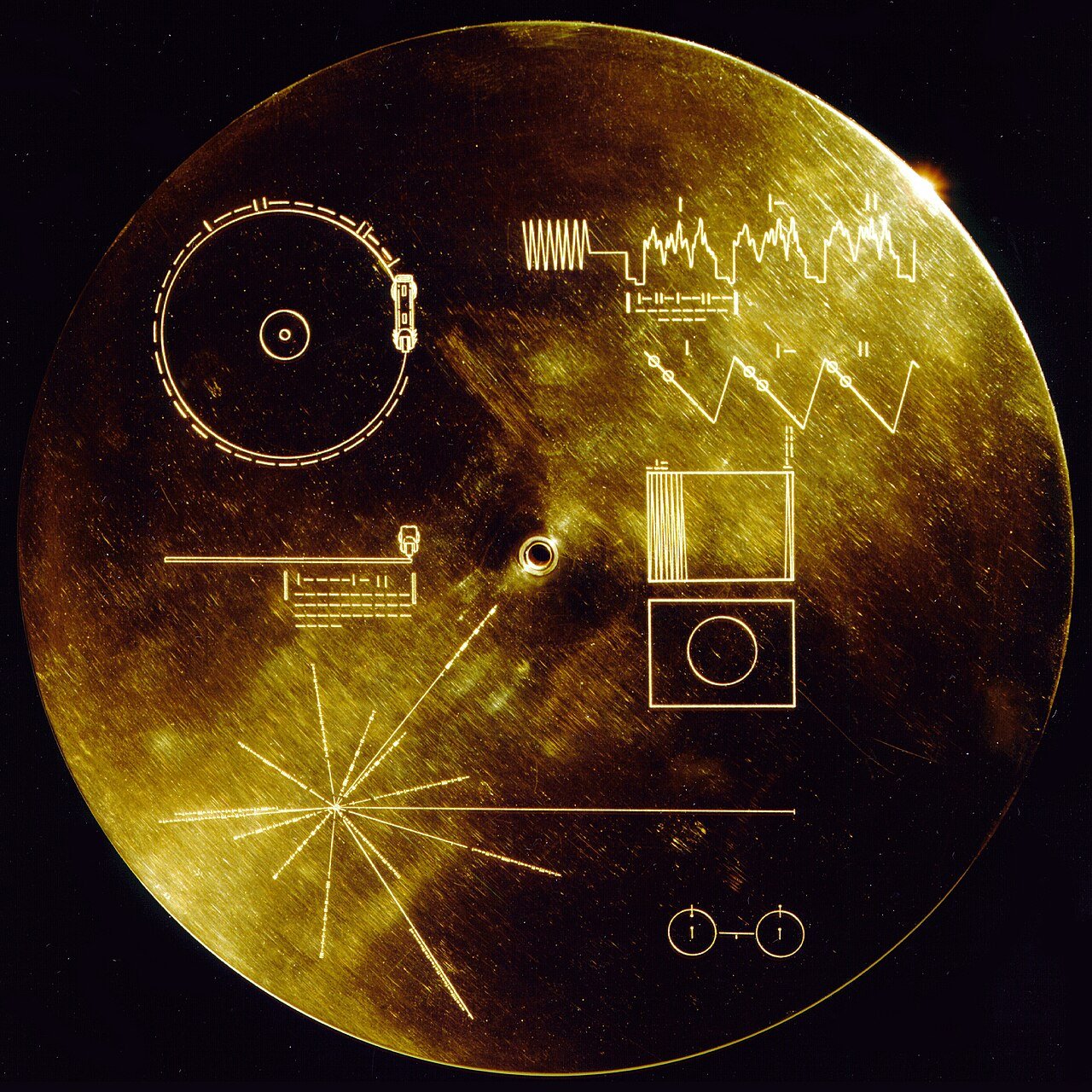
For vinyl enthusiasts, the most remarkable part of that 49-year journey isn’t just the distance. It’s the fact that humanity’s farthest ambassador is still carrying a 12-inch gold-plated copper phonograph record — complete with a cartridge, stylus, and playback diagram etched directly onto its aluminum cover.
Why Analog Grooves Still Matter One Light-Day Away
When Carl Sagan’s committee assembled the Voyager Golden Record in 1977, they could have tried magnetic tape or early digital encoding. Instead, they chose physical grooves pressed into a 12-inch disc meant to spin at 16⅔ RPM — carrying Bach, Chuck Berry’s “Johnny B. Goode,” whale songs, and greetings in 55 languages.
In the 49 years since Voyager 1 left Cape Canaveral, entire generations of digital storage — floppy disks, MiniDiscs, early MP3 players — have appeared and vanished. Yet a physical groove pressed into a disc remains readable with nothing more than rotation, a stylus, and curiosity.
The Space-Age Naming Tradition in Modern Turntables
That intersection between cosmic exploration and analog sound is even reflected in modern audio design — notably Atlanta-based Arkrocket, whose entire hardware lineup is named after spacecraft, probes, and celestial bodies:
- Saturn V Full-Size Jukebox: Named for the rocket that launched humanity beyond Earth orbit — a 1015-style wood cabinet combining vinyl, CD, and Bluetooth playback.
- Polaris II Bluetooth Turntable ($299): Named for the North Star, pairing an LED-lit acrylic platter with 40 W external speakers.
- Huygens Belt-Drive Turntable ($229): Named for the probe that landed on Titan, delivering walnut belt-drive warmth with built-in speakers.
- Arkrocket Neptune: An upcoming frosted-acrylic ambient-light turntable heading to Kickstarter.


Still Spinning After 49 Years
On a day when a 49-year-old spacecraft carrying Chuck Berry and Bach crosses the one-light-day mark, it’s worth dropping a needle on your own shelf — and appreciating a format literally built to outlive civilizations.